

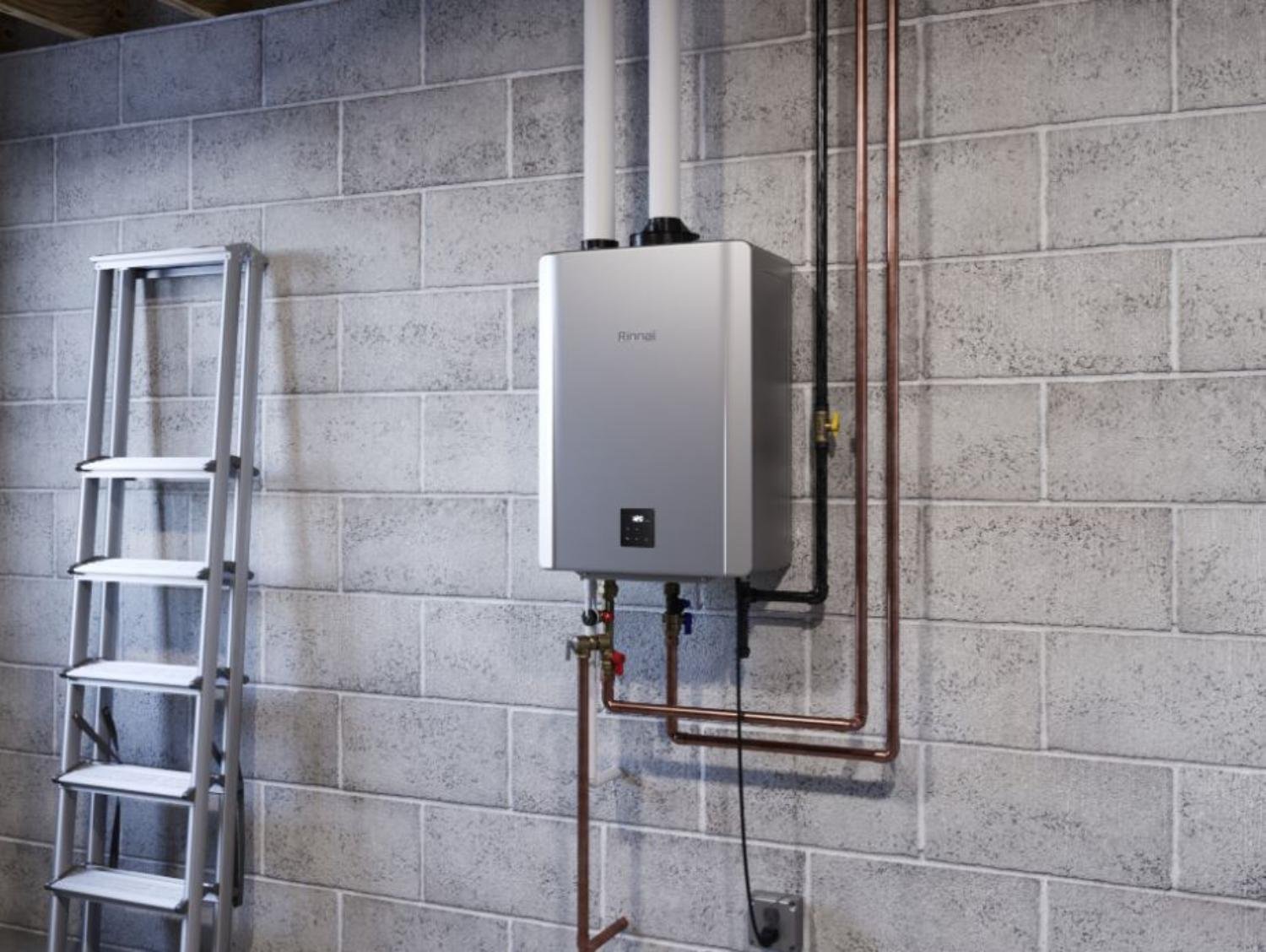
An aging tankless water heater can create a difficult decision for homeowners: Is it worth repairing the existing unit, or is replacement the smarter long-term choice? Tankless systems are designed to provide on-demand hot water while using energy efficiently, but no unit lasts forever. Over time, mineral buildup, worn components, electrical issues, and changes in household demand can affect performance. Understanding an aging system can help homeowners make a practical decision.
Understanding Tankless Water Heater Lifespans
Tankless water heaters generally have a longer service life than many traditional storage-tank systems. With proper installation, maintenance, and water conditions, a quality unit may serve a household for roughly 15 to 20 years, although actual longevity varies. Hard water, frequent use, neglected maintenance, and poor installation can shorten that timeline.
Age alone does not mean a system needs to be replaced. A well-maintained unit that is still producing consistent hot water may have useful years remaining. When problems begin, however, professional tankless water heater repair can help determine whether the issue involves a serviceable component or points to broader system wear.
Recognizing Signs of Declining Performance
Changes in hot water performance are often among the first clues that a tankless system needs attention. Homeowners may notice fluctuating temperatures, reduced flow, longer waits for hot water, or an unexpected increase in energy use. Error codes can also indicate problems with sensors, ignition components, airflow, or other internal parts.
Unusual sounds, repeated shutdowns, leaks, or visible corrosion deserve prompt attention as well. These symptoms do not automatically mean replacement is necessary. A qualified technician can identify the problem before a larger investment.
Evaluating Repair Costs and Benefits
When a tankless unit is relatively young and the problem involves an individual component, repair is often a reasonable option. A professional evaluation can identify whether a failed sensor, valve, igniter, control board, or other part can be replaced effectively. The condition of the heat exchanger and other major components also matters when determining whether continued service makes financial sense.
The cost of tankless water heater repair should be considered alongside the unit’s age, condition, maintenance history, and expected remaining service life. A lower-cost repair may be appealing, but repeated service calls can add up when an older system has multiple developing issues. Conversely, replacing a unit that has a straightforward, isolated problem may create an unnecessary expense.
Considering Replacement Timing
Replacement becomes more compelling when an older unit experiences frequent breakdowns, declining performance, or increasingly expensive repairs. Homeowners may also consider replacement when the system no longer meets their household’s hot water needs. A growing family, a remodeled home, or the addition of high-demand fixtures can change the amount of hot water a property requires.
Energy efficiency can also influence the decision. According to The Farnsworth Group, 31.6% of homeowners indicated intent to retrofit their home with tankless water heaters to increase energy efficiency. That interest reflects a broader consideration for homeowners who are evaluating how their water-heating equipment fits into long-term household energy goals.
Comparing Efficiency and Operating Needs
Modern tankless systems can offer efficient water heating because they heat water as it is needed rather than continuously maintaining a large tank of stored water. However, efficiency depends on the specific system, installation, household demand, incoming water temperature, and maintenance.
An aging system may not necessarily be inefficient simply because it is older, but performance can change as components wear or mineral deposits accumulate. A professional assessment can help homeowners understand whether tankless water heater repair is likely to restore reliable operation or whether replacement would provide a better long-term result.
Accounting for Water Quality and Maintenance
Water quality plays an important role in tankless system longevity. Minerals in hard water can accumulate inside the heat exchanger and reduce efficiency or restrict water flow. Regular professional maintenance can help address scale buildup and keep components operating as intended.
Maintenance needs can vary based on water conditions, usage, and the manufacturer’s recommendations. Homeowners should follow the unit’s service guidance and have qualified professionals handle specialized maintenance. If recurring scale, error codes, or performance problems continue despite appropriate service, those patterns can provide useful information when deciding whether to continue with tankless water heater repair.
Weighing System Age and Reliability
Reliability is one of the most important factors in the repair-versus-replace decision. A system that has reached the later portion of its expected service life may require more consideration before investing in another major repair. That does not mean every older unit should be replaced immediately. Instead, the overall condition of the equipment should guide the decision.
Homeowners can ask whether the current issue is isolated, whether replacement parts remain available, whether the unit has received regular maintenance, and whether similar problems have occurred recently. Looking at the complete service history can make it easier to compare the immediate cost of tankless water heater repair with the longer-term cost and benefits of a new system. Another tankless water heater repair may make sense for reliable units.
Planning for Seasonal Hot Water Demand
As temperatures change, hot water systems can face different operating demands. During colder months, incoming water is typically colder, which means the system may need to work harder to bring water to the desired temperature. Families may also spend more time indoors and use hot water more frequently during certain seasons.
Planning ahead can reduce the likelihood of an unexpected interruption. If a tankless system is already showing warning signs, scheduling an evaluation before peak seasonal demand can give homeowners more time to consider their options. Addressing concerns early may also prevent a minor issue from becoming a more disruptive failure.
For homeowners deciding whether to repair or replace an aging unit, the right answer depends on more than the price of a single service call. Age, reliability, repair history, water quality, energy goals, and household demand all deserve consideration.
Professional tankless water heater repair can be appropriate when a system remains in good overall condition, while replacement may make more sense when an older unit has recurring problems or no longer meets household needs.
White Hat Plumbing can help homeowners evaluate their options and choose a path that supports dependable hot water for the years ahead with confidence.